Does the sun rise in the east ?
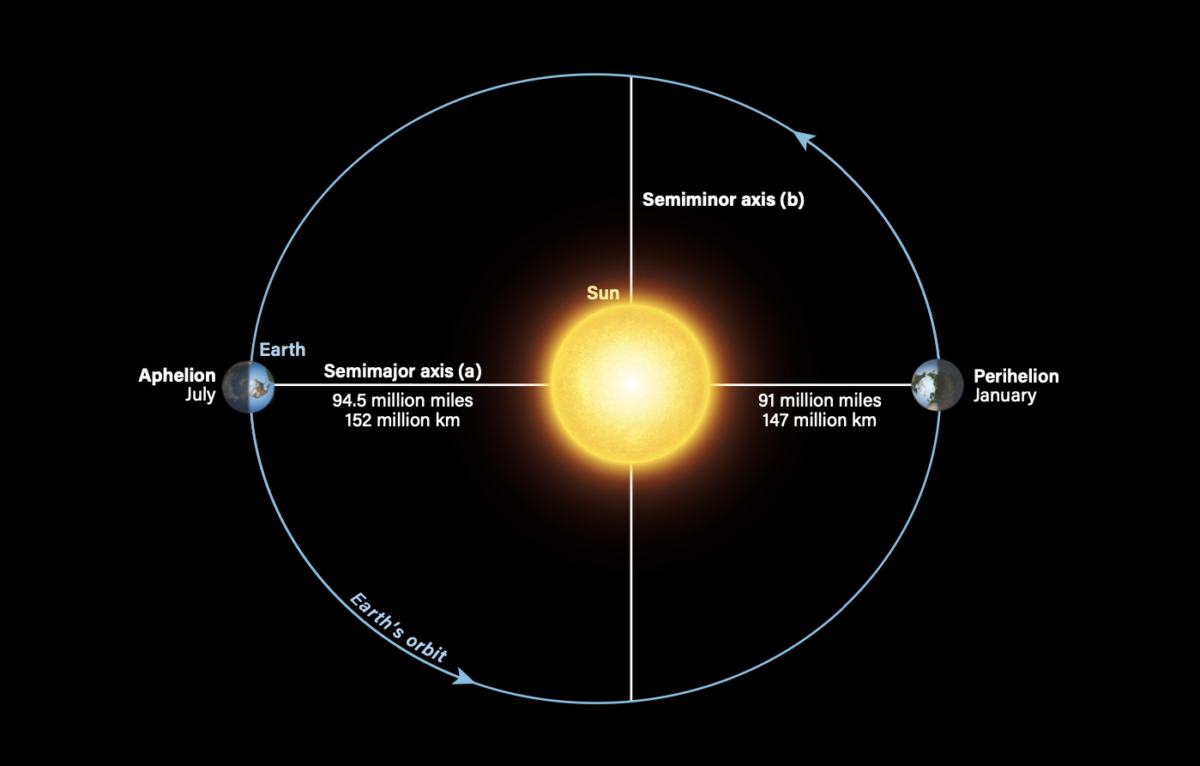
“As sure as the Sun rises in the east and sets in the west.” it’s a phrase we’ve all heard as a symbol of certainty. But what if I told you this statement is only partly true, and in many places, not true at all? .While it’s broadly correct that the Sun rises in the east and sets in the west, this isn’t consistently the case across the globe. The direction of sunrise and sunset actually changes throughout the year and depends on where you are on Earth.
Why & How ?
The key lies in Earth’s axial tilt. Our planet is tilted at an angle of 23.5 degrees, and this tilt is what gives us seasons. It also changes the angle at which we see the Sun rise and set. this tilt decides which hemisphere will face toward and away form the sun effecting the suns path and duration in the sky. these are the involved factors :
- Earth’s Rotation: Earth rotates on its axis from west to east (counterclockwise if viewed from above the North Pole). the Sun always rises in the eastern half of the sky and sets in the western half
- Earth’s Tilt and Orbit
Earth is tilted 23.5° relative to its orbital plane (the ecliptic), and this is the key to seasonal changes:
- As Earth orbits the Sun, different parts of the planet tilt toward or away from the Sun at different times of the year.
- This causes: Varying lengths of daylight (summer has longer days).Changing sunrise/sunset angles.
- Earth Orbits the Sun : As Earth moves around the Sun during the year, the tilt causes the Sun to appear higher or lower in the sky, depending on the season and location.
Directions
The direction of sunrise (and sunset) shifts along the horizon over the course of the year. Here’s how Note In the Southern Hemisphere, the pattern is reversed:
Equinoxes (around March 21 and September 23)
Sun rises exactly due east.Sun sets exactly due west. Day and night are approximately equal in length. This happens because the tilt of Earth’s axis is sideways relative to the Sun — no hemisphere is tilted toward or away.
☀️ Summer Solstice (around June 21 in Northern Hemisphere)
Earth’s North Pole is tilted toward the Sun. Sun rises farthest to the northeast.This is the longest day of the year in the Northern Hemisphere. The Sun follows its highest and longest path across the sky. The Sun is above the horizon for the longest period. It appears nearly overhead at noon if you’re near the Tropic of Cancer.
❄️ Winter Solstice (around December 21 in Northern Hemisphere)
Earth’s North Pole is tilted away from the Sun. Sun rises farthest to the southeast.This is the shortest day of the year in the Northern Hemisphere. The Sun takes its shortest, lowest path across the sky. It rises in the southeast, sets in the southwest. It’s above the horizon for the shortest time. The Sun is low in the sky even at noon.
This Cycle Repeats Annually As Earth moves along its orbit, the angle of sunrise moves gradually from southeast → east → northeast → east → southeast again.
Relation between sunrise and sunset
Because of Earth’s tilted axis and orbit, both sunrise and sunset points move along the horizon through the seasons ,The Sun rises and sets on opposite points of the horizon. If it rises northeast, it will set northwest. If it rises southeast, it will set southwest.
So where does the sun rise ?
| Season | Hemisphere | Sun Rises | Sun Sets | Sun Path (Arc) |
|---|---|---|---|---|
| Spring Equinox | Both Hemispheres | Due East | Due West | Medium-height arc (12 hrs) |
| Summer Solstice | Northern Hemisphere | Northeast | Northwest | High arc, long days |
| Southern Hemisphere | Southeast | Southwest | Low arc, short days | |
| Autumn Equinox | Both Hemispheres | Due East | Due West | Medium arc (12 hrs) |
| Winter Solstice | Northern Hemisphere | Southeast | Southwest | Low arc, short days |
| Southern Hemisphere | Northeast | Northwest | High arc, long days |
Explanation :
The Sun’s arc is higher in your summer and lower in your winter. Earth’s tilt (23.5°) causes the Sun’s apparent path to shift. In June, the Northern Hemisphere is tilted toward the Sun → Sun rises northeast. In December, the Southern Hemisphere is tilted toward the Sun → Sun rises northeast there instead.